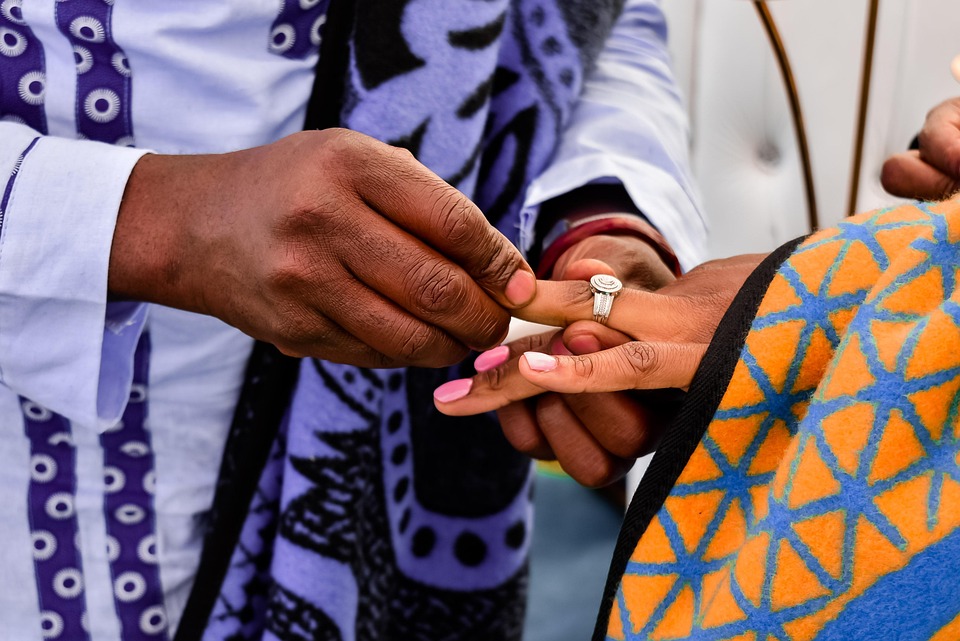
Healing Hearts: Navigating the Journey of Marriage Counseling
Marriage counseling is a powerful tool that can help couples navigate through challenging times and strengthen their relationship. It provides a safe space for partners to communicate, address underlying issues, and work towards a healthier and happier marriage. In this article, we will explore the journey of marriage counseling, from seeking help to the healing process and beyond.
Seeking Help
One of the first steps in the journey of marriage counseling is recognizing the need for help. Many couples may feel reluctant or embarrassed to seek counseling, but it is important to remember that asking for help is a sign of strength, not weakness. Common reasons for seeking marriage counseling include communication issues, infidelity, financial stress, and lack of intimacy.
When looking for a marriage counselor, it is important to find someone who is experienced, licensed, and a good fit for both partners. It may be helpful to ask for recommendations from friends or family members, or to research online reviews. Couples should also consider the cost of counseling and whether their insurance covers it.
The Counseling Process
Once a couple has found a counselor, the next step is to begin the counseling process. During the first session, the counselor will typically ask questions to get to know the couple and their relationship better. They may also discuss the goals of counseling and establish a treatment plan.
Throughout the counseling process, couples will work on improving communication, resolving conflicts, and building trust. The counselor may use various techniques such as cognitive-behavioral therapy, emotional-focused therapy, or Gottman method to help couples work through their issues. It is important for both partners to actively participate in counseling and be open to feedback and suggestions.
Healing and Growth
As couples progress through counseling, they may experience healing and growth in their relationship. They may learn new ways to communicate effectively, resolve conflicts peacefully, and strengthen their emotional connection. Counseling can also help couples build trust, empathy, and intimacy.
It is important for couples to be patient and committed to the counseling process. Healing takes time, and it is normal to experience setbacks along the way. Couples should be willing to put in the effort and work together towards a healthier and happier marriage.
After Counseling
After completing marriage counseling, couples may continue to work on their relationship independently. It is important to practice the skills learned in counseling, such as effective communication and conflict resolution. Couples may also consider attending follow-up sessions or workshops to reinforce their progress.
It is normal for couples to experience ups and downs in their relationship, even after counseling. It is important for couples to continue to prioritize their relationship, communicate openly, and seek help when needed. Marriage counseling is not a quick fix, but rather a journey towards healing and growth.
Conclusion
Marriage counseling can be a transformative experience for couples who are willing to put in the effort and work towards a healthier and happier relationship. It provides a safe space for partners to communicate, address underlying issues, and build a stronger emotional connection. By seeking help, participating in counseling, and staying committed to the process, couples can navigate through challenging times and emerge stronger than ever.
Remember, asking for help is a sign of strength, not weakness. If you and your partner are struggling in your relationship, consider reaching out to a marriage counselor. The journey of healing and growth begins with a single step.